Detox Retreat Philippines: Reset in Paradise


We all have those moments where something feels off, but we can’t quite explain it. You wake up tired even after a full night’s sleep. You reach for your phone before you’re fully awake. Your mind feels busy, but not productive, and by the end of the day, nothing really feels clear or grounded.
It’s not burnout exactly. It’s more like a constant, low-level noise that never switches off. And over time, you get used to it, thinking this is just how life feels. But it’s not. It’s what happens when your body and mind don’t get the chance to reset.
And sometimes, the reset doesn’t come from fixing your routine—it comes from stepping out of it. From going somewhere that naturally slows you down, where disconnecting doesn’t take effort. For many travelers, that place has quietly become the Philippines.
A detox retreat Philippines experience isn’t about strict rules or extreme routines. It’s about removing what’s overwhelming your system—constant stimulation, processed inputs, and mental noise—and letting your body return to a rhythm that actually works for you.
In this guide, you’ll understand how detox retreats in the Philippines actually work—from fasting and clean eating to traditional therapies and nature-based healing—and what really changes when you finally give yourself the space to reset.

Why Your Body Is Asking for a Detox (Even If You Don’t Notice)
Most people don’t wake up and say, “I need a detox.” They say, “I’m just tired.”
But beneath that tiredness is something more complex. The modern lifestyle quietly overloads the body in ways we rarely notice. Constant screen exposure disrupts circadian rhythms. Processed food strains digestion. Chronic stress keeps cortisol (stress hormones) levels elevated, making true rest almost impossible.
Your body adapts, but it doesn’t reset. You may recognize the signs. You wake up feeling unrested even after a full night’s sleep. Your focus drifts. Your energy spikes and crashes. Your digestion feels off. You feel wired, but exhausted. These are not random symptoms. They are signals.
A detox retreat in Philippines experience addresses these signals not by forcing change, but by removing the pressures that created them. When you take away overstimulation, processed inputs, and constant urgency, the body doesn’t need to be fixed. It starts correcting itself.
What “Detox” Really Means in the Philippines
Forget the idea that detox means restriction. In the Philippines, detox is not about deprivation; it is about restoration. It works on three interconnected levels.
The first is physical. This involves nourishing the body with whole foods, hydrating deeply, and supporting digestion and elimination.
The second is mental. This is where digital detox comes in—removing constant stimulation so the brain can finally slow down.
The third is the nervous system. This is the most overlooked layer. It involves shifting the body out of “fight or flight” and into a state of rest and repair. This is where the real change happens. You don’t just feel lighter. You feel clearer.

The Detox Mechanisms: How These Retreats Actually Work
A true detox retreat is not just a scenic location. It is a structured environment designed to help the body do what it is already capable of doing—reset. The process is subtle, but powerful.
Nutritional Detox: Healing Through Food
Food becomes your primary tool for healing. But instead of complicated diets, the approach is simple and grounded in what the land provides.
Mornings often begin with fresh coconut water, known locally as buko. It hydrates deeply while replenishing electrolytes, helping the body flush out accumulated waste.
Meals are built around whole, plant-based ingredients. You will find plates filled with papaya, pineapple, mango, leafy greens, root vegetables, and herbs likeginger and turmeric. These foods are naturally rich in enzymes and anti-inflammatory compounds that support digestion and cellular repair.
Unlike restrictive diets, this way of eating feels abundant. You are not cutting out—you are feeding the body what it actually needs.
Fasting Protocols: Resetting the Digestive System
Some detox retreats introduce gentle fasting, always under the guidance of a professional. This might includejuice fasting, where fresh fruit and vegetable juices provide nutrients while giving the digestive system a break. Others incorporate intermittent fasting, allowing longer periods between meals so the body can focus on repair.
There are also mono-meal days, where you eat a single type of fruit, such as papaya, which simplifies digestion and allows the gut to reset. Fasting here is not extreme. It is intentional, supported, and adapted to your body.
Lymphatic and Physical Detox
The body detoxifies not only through digestion, but through movement and circulation.
Massage plays a central role. Traditional techniques stimulate lymphatic flow, helping remove toxins from tissues. Sweating, resulting from heat exposure or physical activity, facilitates elimination through the skin. Daily yoga and gentle exercise keep the system moving without stress. The goal is not intensity. It is flow.
Nervous System Reset: The Missing Piece
The most profound detox happens when the nervous system finally relaxes.
Breathwork, meditation, and silence allow the body to shift into a parasympathetic state often called “rest and digest.” In this state, healing processes activate. Digestion improves. Inflammation reduces. Sleep deepens.
This is why people often feel dramatically different after just a few days. The body was not broken. It was simply overstimulated.

The Art of the Unplug: Digital Detox as Therapy
One of the first things that happens when you arrive at a detox retreat is simple. Your phone is taken away for safekeeping, so you don’t use it. At first, it feels uncomfortable. Almost unnatural. You reach for it without thinking. You wonder what you are missing. Then something shifts.
Without constant notifications, your attention begins to settle. Your thoughts slow down. The mental “noise” that felt normal starts to fade. Studies from Baptist Health South Florida show that constant digital stimulation keeps the brain in a state of alertness, driven by dopamine loops. Breaking that cycle allows the mind to reset.
In remote parts of the Philippines, where the signal is limited or nonexistent, disconnection happens naturally. What feels like an inconvenience at first becomes relief. You stop checking. You start noticing.

Clean Eating in the Philippines: Healing Through Abundance
Food here does not feel like a program. It feels like life. The concept of “farm-to-table” becomes even more immediate—often “farm-to-bangka,” where meals come directly from local gardens and nearby waters.
Fresh coconut, bananas, papaya, and leafy greens are harvested daily. Herbs like lemongrass, pandan, and ginger are brewed into teas that support digestion and relaxation.
You may find yourself eating more than usual, yet feeling lighter. This is because the body is no longer processing additives, preservatives, and excess sugars. It is working with food, not against it. Over a few days, digestion improves. Bloating reduces. Energy stabilizes. And your relationship with food quietly shifts.

Traditional Filipino Detox Therapies You Won’t Find Elsewhere
Beyond food and environment, the Philippines offers healing practices rooted in tradition.
One of the most powerful is Hilot, a form of therapeutic massage that blends physical and energetic work. Using warm coconut oil and banana leaves, the practitioner works through areas of tension, helping release what is locally referred to as “lamig”—stagnant energy within the body.
The process is deeply relaxing, but also transformative. It supports circulation, encourages lymphatic movement, and often brings an emotional release.
Herbal steam baths are another practice. Infused with local plants, the steam opens pores and promotes detoxification through the skin. Combined with rest and hydration, it creates a full-body reset. Even the ocean plays a role. Saltwater immersion, often combined with sun exposure and grounding, supports both physical and mental detox.
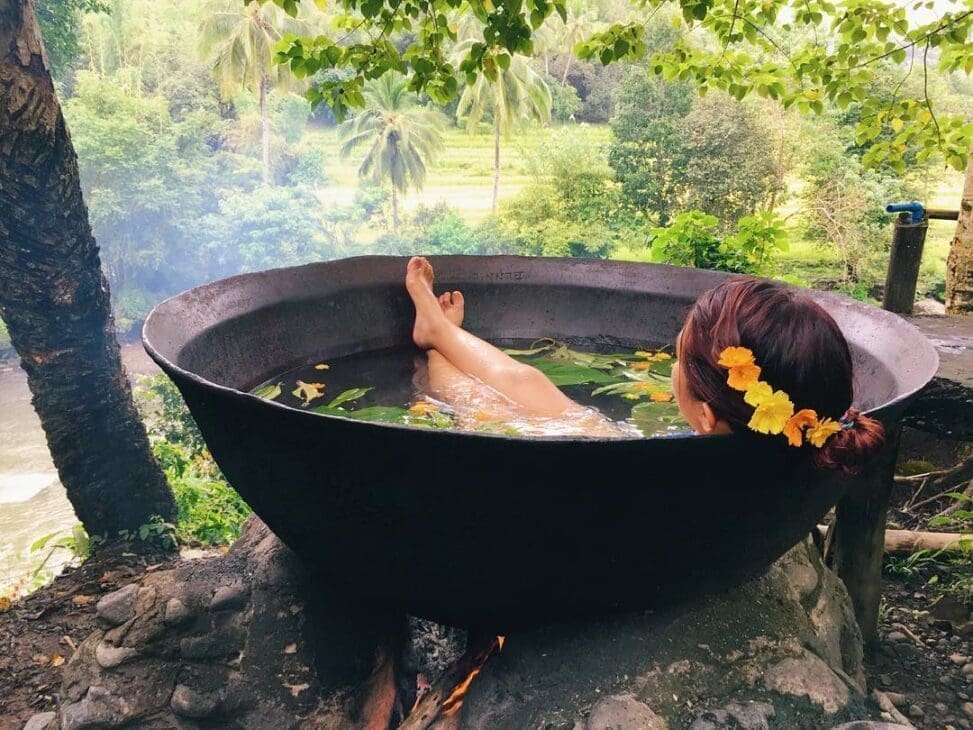
Nature as Medicine: The Science of Resetting in the Wild
You don’t just detox through programs. You detox through the environment. Spending time in nature has measurable effects on the body. Forest air contains compounds released by trees that support immune function. The sound of waves slows brain activity. Natural light helps regulate sleep cycles.
This is why simply being in these environments changes how you feel. Whether you are walking through dense greenery, sitting by the ocean, or standing under a waterfall, your body begins to downshift. Breathing deepens. Muscles relax. Thoughts slow. This is not imagination. It is biology.
A Day Inside a Detox Retreat Philippines Experience
Your day begins early, often with the rising sun. You wake to natural light instead of alarms. A warm herbal tea waits. The air is cool, quiet. Morning movement follows—gentle yoga or stretching, sometimes in silence. Breakfast is simple and nourishing. Fresh fruit, coconut, perhaps a smoothie.
The rest of the day unfolds without rush. You might have a massage, join a meditation session, or simply sit and read. Meals are spaced, not constant. Time stretches. By evening, something feels different. Your body is tired in a good way. Your mind is quieter. You sleep deeply. And for the first time in a long time, you wake up feeling rested.
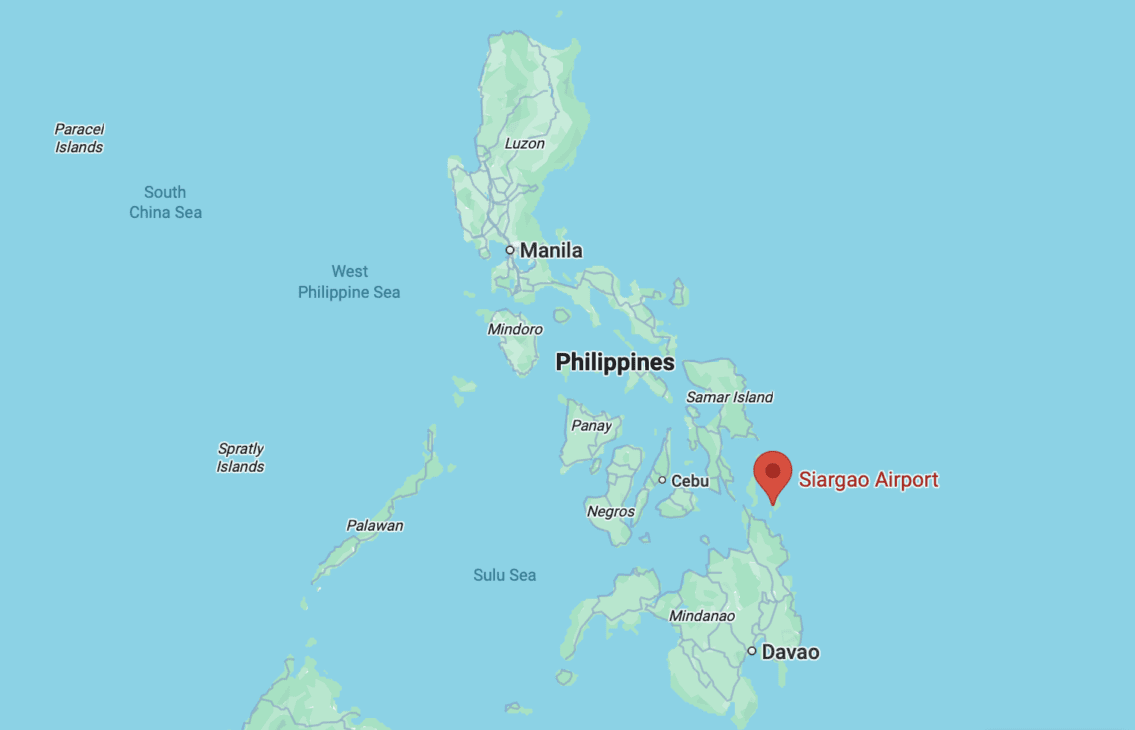
Where to Go: Best Detox Retreat Destinations in the Philippines
Different regions offer different experiences.
- Palawan provides total disconnection. Its remote islands create a sense of separation that makes a deep reset possible.
- Siargao blends wellness with movement. Known for surfing, it also attracts those seeking a slower, intentional lifestyle.
- Cebu offers structured retreats with accessibility, making it ideal for first-time detox travelers.
- Batangas, closer to Manila, is known for luxury wellness programs that combine medical insight with holistic care.
Each location offers the same core benefit, distance from the noise, but in its own way.
The Hard Part: Detox Isn’t Always Comfortable
There is a moment, usually in the first few days, when detox feels uncomfortable. You may feel restless. You may miss your phone. You may even experience headaches as your body adjusts. This is not failure. It is a transition. Your system is shifting from constant stimulation to stillness. And stillness can feel unfamiliar.
But if you stay with it, something changes. The discomfort fades. And what replaces it is a sense of calm that feels natural.
How to Choose the Right Detox Retreat Philippines
Not every detox retreat in the Philippines follows the same approach. Some are highly structured, with daily schedules, guided fasting, and professional supervision. Others are more open, built around nature, movement, and slowing down.
The key is understanding what kind of reset your body and mind actually need.
If you feel physically drained—low energy, poor digestion, constant fatigue—a structured detox program may be the right fit. These often include plant-based meal plans, juice cleanses, or short fasting protocols, combined with therapies like lymphatic massage, colon hydrotherapy, or infrared sauna sessions.
Retreats like The Farm at San Benito are known for medically supervised programs designed to support deeper physical detox.
If your main challenge is mental fatigue—constant stimulation, lack of focus, digital overload—a digital detox or mindfulness retreat may be more effective. These experiences reduce or remove screen time and focus on meditation, breathwork, journaling, and quiet time in nature. The goal is not to “do more,” but to give your nervous system a break from constant input.
For those who feel disconnected rather than exhausted, a nature-based or slow living retreat offers a different kind of reset. These are often found in places like Siargao or Palawan, where the environment itself becomes part of the experience. Your days may include ocean swims, gentle yoga, fresh meals, and long periods of rest. There is less structure, but often more space to reconnect with yourself.
There are also active detox retreats, where movement is part of the process. Surfing, hiking, and yoga are combined with clean eating and recovery practices. This approach works well if you reset better through activity rather than stillness.
Some retreats take a holistic approach, combining all of these elements—nutrition, therapy, movement, and mental reset—into a single program. These are ideal if you want a full system reset without having to choose just one path.
Choosing the right retreat is less about finding the “best” program and more about being honest with yourself. Do you need structure or freedom? Intensity or ease? Silence or movement? The right environment will not push you—it will meet you where you are, and gently bring you back to balance.

When Is the Best Time to Go?
In the Philippines, seasons are less about temperature and more about rain.
The dry season typically runs from December to May, with January to April offering the most reliable sunshine, calm seas, and easier travel between islands. This is the best time if you want clear skies, outdoor activities, and a more predictable experience.
The rainy season usually falls between June and November. During these months, short but intense rains are common, especially in the afternoons. Travel can be less predictable, but the landscapes become greener, the air feels fresher, and the overall pace slows down.
If your goal is a deeper reset, the quieter months—June, September, and October in particular—can offer a different kind of experience. Fewer travelers, more space, and a natural stillness that aligns well with the purpose of a detox retreat.
There is no wrong time to go. It depends on what you need—energy and movement, or silence and space.
This Isn’t Escape; It’s Return
A detox retreat Philippines experience is often described as an escape. But that is not entirely true. You are not escaping your life. You are stepping away long enough to see it clearly. In the quiet, without distraction, you begin to notice what matters. What drains you? What restores you?
And when you return, you do not bring back the island. You bring back a version of yourself that knows how to be still. Maybe that’s the reset you’ve been needing all along. And if you’re feeling that pull—even slightly—it’s worth paying attention to it.
Would you try a detox retreat in the Philippines? Tell me what’s holding you back, or what’s calling you, in the comments.
FAQs
How long should you stay at a detox retreat in the Philippines?
Most retreats range from 3 to 7 days, but a minimum of 5 days allows your body to move past initial withdrawal symptoms and fully settle into the detox process.
Do you need to be experienced with detox or fasting?
Not at all. Many retreats are designed for beginners and offer guided programs that adjust to your comfort level, especially when it comes to fasting or diet changes.
Will you have access to Wi-Fi during a detox retreat?
Some retreats limit or fully remove access to encourage a true digital detox, while others offer restricted usage. It’s best to check beforehand based on your needs.
Is a detox retreat in the Philippines expensive?
Detox retreats in the Philippines vary dramatically in price. Simple eco-retreats focused on yoga, nature, and clean eating can cost as little as $50–$150 per night, while mid-range wellness resorts typically range from $150–$350. High-end medical wellness centers, such as The Farm at San Benito, often charge $400–$600 or more per night for structured detox programs, with full multi-day packages reaching several thousand dollars.
The cost depends largely on the level of supervision, therapies included, accommodation quality, and program intensity. For the most accurate and updated pricing, it’s always best to check directly with the retreat or their official website.