Healing Hands: Hilot Healing in the Philippines


Long before wellness became a curated experience, healing was something passed through hands. It was quiet, intuitive, and deeply human. In the Philippines, this form of healing still exists in a practice known as hilot. It is not designed for luxury or aesthetics. Instead, it is grounded in connection, awareness, and the belief that the body knows how to heal when properly guided toward Ginhawa—a Filipino term encompassing breath, ease, and total well-being.
For travelers, traditional hilot healing in the Philippines offers something different from modern wellness experiences. It is not about spa menus or standardized treatments. It is about understanding the body through touch, restoring balance, and reconnecting with an ancient lineage of care.
In this guide, you will learn what hilot is, where it comes from, how it works, and how you can respectfully experience it as a traveler. By the end, you will not only understand hilot but also know how to approach it with clarity and appreciation.
The Origins of Hilot: A Living Healing Tradition

Hilot is an ancient healing practice that dates back to pre-colonial Philippines. Long before Western medicine arrived, communities relied on traditional healers called manghihilot. These healers developed deep knowledge of the human body, natural remedies, and the flow of energy within the body. Healing was not separated into physical or spiritual categories. Instead, it was seen as a balance between body, mind, and environment.
Knowledge of hilot was passed down through generations. It was learned through observation, experience, and mentorship rather than formal education. A manghihilot did not only treat illness. They were also trusted members of the community who supported people through pain, recovery, and life transitions.
Even during Spanish colonization, when Western medical practices were introduced, hilot remained widely practiced. In rural areas where access to hospitals is limited, it has continued to be the primary form of care. Today, many Filipinos—especially in the provinces—still turn to hilot for relief from body pains, pregnancy-related discomfort, and even spiritual cleansing. It remains a living tradition rather than a forgotten practice.
The Philosophy Behind Hilot: Restoring Balance
To understand traditional hilot healing in the Philippines, it is important to understand its philosophy. Hilot is based on the belief that thebody functions best when it is in balance. When this balance is disrupted by physical strain, emotional stress, or environmental factors, “Lamig” (literally “cold”) can set in. In Filipino healing, Lamig refers to musculoskeletal knots or energy blockages that cause discomfort.
While modern treatments often target symptoms, Hilot identifies the root cause of this imbalance. The goal is to clear these blockages and restore the natural flow of energy and fluids, allowing the body to return to its natural state of “init” (warmth) and vitality. This is why the process of diagnosis in hilot is just as important as the treatment itself.
The Techniques of Hilot: More Than a Massage
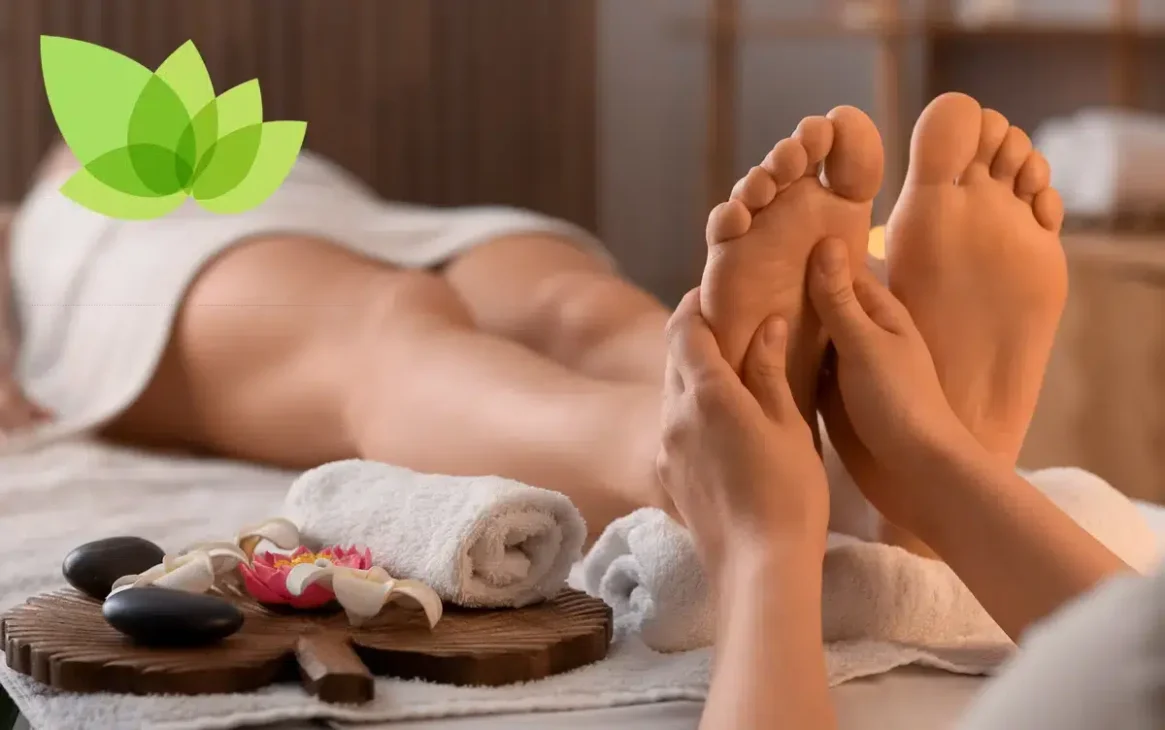
Traditional hilot healing in the Philippines combines physical techniques with intuitive understanding. It is not limited to muscle work, but involves several approaches that help identify and correct imbalance.
One of the most important techniques is tactile diagnosis, also known as pagsasalat. This means “to feel” or “to examine through touch.” The manghihilot uses their hands to detect irregularities such as tightness, uneven temperature, or areas that feel different from the rest of the body. These sensations guide the entire treatment.
Hilot also makes use of coconut oil, often infused with herbs like ginger or lemongrass. Coconut oil helps create smooth movements while also supporting relaxation and circulation. The herbs are believed to enhance healing and soothe the body.
Another technique involves joint and body alignment. The manghihilot may gently adjust certain areas of the body to improve movement and relieve tension. These adjustments are done carefully, based on what the healer feels rather than a fixed method.
In some cases, banana leaves are placed on the body to detect areas of heat or imbalance. The leaves may change texture or appearance when they come into contact with certain areas, helping the healer identify where attention is needed. Some practitioners also include ventosa, a cupping technique that improves circulation and releases deep tension.
Together, these techniques create a system that is both physical and intuitive, focused on restoring balance rather than simply providing comfort.
How a Hilot Session Works
A typical hilot session is simple and grounded. It often takes place in a quiet room without elaborate spa settings. The focus is not on luxury, but on effectiveness and connection. The healer may begin by asking about any discomfort, but much of the assessment is done through touch.
Coconut oil is applied to the body to allow smooth, steady movements. The manghihilot then uses slow, firm pressure to locate areas of imbalance. They may press, stretch, or gently adjust parts of the body to restore alignment and ease tension.
Banana leaves may be used during the session to detect heat or irregularities. These leaves can help the healer identify problem areas based on how they react to the body. The movements are guided by what the healer feels, rather than a fixed routine, which makes each session unique.
Most hilot sessions last between 60 and 90 minutes, allowing enough time for a full and balanced treatment. You are usually provided with towels or loose clothing for comfort and modesty, so it helps to wear something easy to change into and out of.
The Benefits of Hilot: Why People Keep Coming Back
Hilot, a traditional Filipino healing practice, is cherished for its soothing effects on both body and mind. Many notice relief from tension in stiff muscles, sore shoulders, or aching backs as the manghihilot uses gentle, intentional pressure to release tightness at its source rather than masking discomfort.
Beyond easing aches, hilot improves circulation and stimulates energy flow. The combination of movement, pressure, and warm coconut oil helps the body feel lighter, more energized, and less fatigued—especially after long flights, travel, or busy days. It also calms the mind, bringing clarity and emotional ease through its steady rhythm and quiet, relaxing environment.
Hilot supports overall balance and alignment, enhancing posture and reducing stiffness, while traditional beliefs emphasize restoring harmony between the body’s “init” (heat) and “lamig” (cold). It’s also widely used in prenatal and postnatal care, highlighting its role in everyday wellness. Gentle yet cumulative, hilot offers a holistic sense of well-being that keeps people returning for more.
Hilot vs Modern Massage
Although hilot is often compared to massage, the two are not the same. Modern massage typically focuses on relaxing muscles and improving circulation. It follows structured techniques and predefined pressure points designed for comfort and stress relief. (e.g., “30 minutes on the back, 10 on the legs”)
Hilot, on the other hand, is highly intuitive and diagnostic. A manghihilot does not follow a standard routine. Instead, they use their hands to feel the body’s energy and detect areas of imbalance. Touch becomes both the method of diagnosis and the method of treatment.
Rather than applying the same sequence to every client, each hilot session is guided by what the healer senses in the body. The goal is not just relaxation, but to correct imbalance and restore harmony. This makes hilot a more intentional and personalized experience, going beyond comfort to focus on deeper healing.
The Role of Hilot in Everyday Life
Hilot is not only practiced in wellness spaces. For many Filipinos, it is part of everyday life. It is used to address common discomforts such as muscle pain, fatigue, and stiffness. It is also commonly used during pregnancy and after childbirth to support recovery.
In rural areas, hilot often serves as a first line of care before seeking medical attention. People may visit a manghihilot when they feel “off” even if they cannot explain why. The practice provides a sense of familiarity and trust that comes from cultural understanding.
Hilot also carries a social role. It brings people together through shared knowledge and tradition. It reflects a way of caring that is personal, community-based, and deeply rooted in cultural identity.
How to Experience Hilot as a Traveler
For travelers, experiencing traditional hilot healing in the Philippines can be meaningful when approached with respect and awareness. The key is to understand that hilot is not just a service, but a cultural practice.
If you are looking for authenticity, consider seeking hilot in smaller local settings rather than luxury spas. While some high-end resorts offer “hilot-inspired” treatments, these may focus more on relaxation than traditional techniques. Local practitioners often provide a more genuine experience.
Before your session, it helps to communicate openly about any discomfort you may have. However, be prepared for the healer to rely more on touch than on verbal explanations. Trusting the process is part of the experience.
Approach the session with curiosity rather than expectation. Hilot is not about immediate results or dramatic transformations. It is about subtle shifts in how the body feels. After the session, you may notice a sense of lightness, ease, or improved movement.
Tips for a Meaningful Hilot Experience
To get the most out of your hilot session, it helps to prepare both physically and mentally. Arrive with an open mind and allow yourself to fully experience the process without comparing it to other treatments you may have tried.
Stay relaxed during the session and communicate if you feel discomfort. While hilot can involve firm pressure, it should not feel overwhelming. The goal is to support the body, not to strain it.
After the session, give yourself time to rest. Drinking water and avoiding intense physical activity can help your body adjust. Hilot works gently, and its effects may continue even after the session ends.
Where Healing Still Feels Human
Traditional hilot healing in the Philippines offers a perspective on wellness that is simple, grounded, and deeply human. It reminds us that healing does not always require complex systems or advanced technology. Sometimes, it begins with attentive hands and an understanding of balance.
For travelers, hilot is more than an activity to check off a list. It is an opportunity to experience a cultural practice that has been passed down through generations. It invites you to slow down, listen to your body, and appreciate a different approach to care.
In a world where wellness is often commercialized, hilot stands as a quiet reminder that healing can still be personal, intuitive, and connected to tradition.
Have you ever experienced a traditional healing practice like this—or would you try hilot on your next trip? Share your thoughts or questions in the comments. I’d love to hear your perspective.
FAQs
How much does a hilot cost in the Philippines?
Prices vary by setting—local sessions are more affordable, while spas and resorts charge more. Expect around ₱500–₱1,400 for an hour, with premium treatments exceeding ₱2,000.
Do I need to book a hilot session in advance?
For spas and wellness centers, booking ahead is recommended, especially in busy areas. Local healers may offer more flexible, informal arrangements.
Are there any cultural etiquettes I should follow?
Be respectful, patient, and open to the process, as hilot is a cultural practice. Simple politeness and trust in the healer go a long way.
Can I combine hilot with other wellness treatments?
Yes, many wellness centers offer combined treatments. Just avoid scheduling too many sessions in one day so your body can rest.
Is it better to try hilot in a spa or with a local healer?
Spas offer comfort and accessibility, while local healers provide a more traditional experience. Your choice depends on whether you value convenience or authenticity.


