Budget vs Luxury Travel in East Africa: What You’re Really Paying For


Picture this. You’re sitting at your laptop at midnight, ten tabs open. One tab shows a $35 hostel bed in Nairobi. Another shows a $1,800-per-night tented safari suite overlooking the savannah. Both promise sunsets. Both promise wildlife. Both promise “the trip of a lifetime.”
Budget vs Luxury travel Africa is more than a choice of hotel, it’s a choice of how you experience East Africa. You’re deciding between deep immersion in local life or seamless comfort, between open-ended adventure or curated ease, between authentic encounters or tailored indulgence. In one scenario, you’re on a crowded overland truck bouncing across dusty roads. In another, you’re boarding a small charter plane that lands on a private airstrip inside a wildlife conservancy.
So what really sets these experiences apart? Where does the money go? And does spending more change what you actually feel and remember? Let’s explore with clarity, context, and specifics.
Understanding East Africa’s Travel Landscape
When people talk about East Africa in travel terms, they usually mean:
- Kenya
- Tanzania
- Uganda
- Rwanda
This region is home to:
- The Great Migration in Serengeti National Park
- Big Five safaris in Maasai Mara National Reserve
- Gorilla trekking in Bwindi Impenetrable National Park
- Luxury beach escapes in Zanzibar
East Africa is not a monolithic destination. Pricing varies by country, park fees, conservation models, and season. For example:
Uganda Gorilla Trekking Permits:
- Foreign non-residents: USD 800
- Foreign residents: USD 700
- Other African (non-EAC): USD 500
- East African Community (EAC) citizens: UGX 300,000 (~USD 80)
- Special 4-hour Habituation Experience (Uganda only): tiered foreigners pay more, locals/EAC pay less
Rwanda Gorilla Trekking Permits (Volcanoes NP):
- International visitors: USD 1,500
- African / EAC visitors: reduced rates (~USD 500)
- Rwandan citizens: very low-cost (~USD 200)
That difference alone can define whether a trip feels “budget” or “luxury.”
When analyzing budget vs luxury travel Africa, you must first understand this: the cost structure is heavily influenced by conservation fees and park regulations.
You’re not just paying for comfort. You’re paying for access.
Accommodation: Where the Gap Becomes Visible
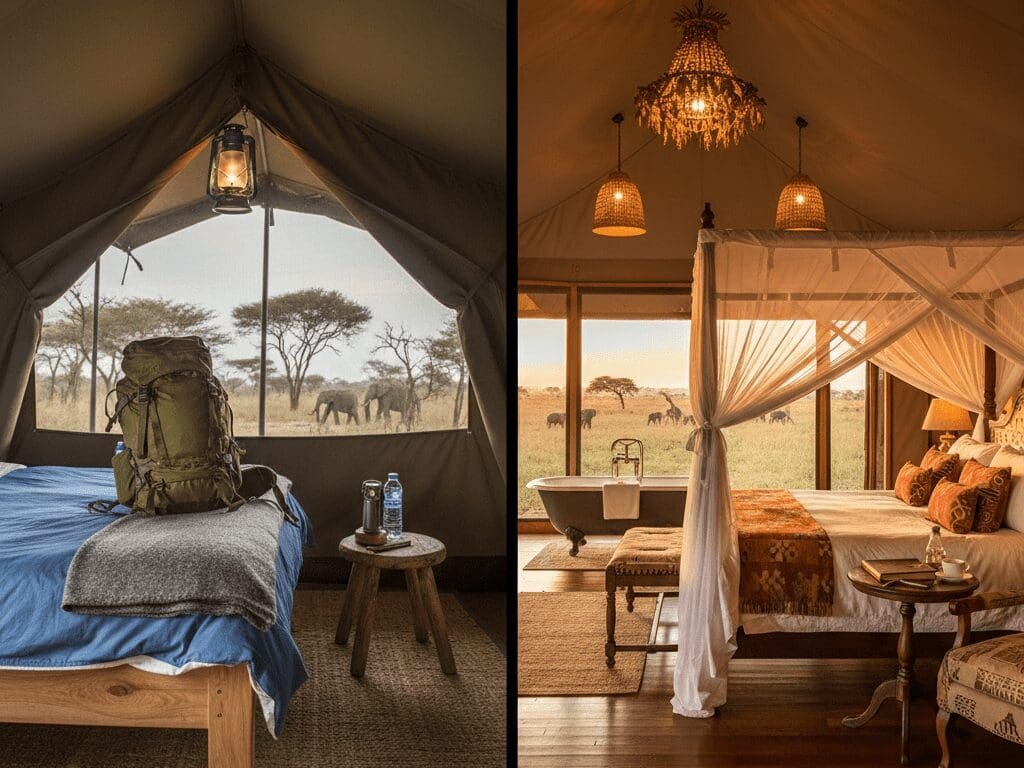
Understanding daily costs helps you plan budget vs luxury travel in Africa with clarity, whether you’re exploring cities, wildlife parks, or coastal beaches across East Africa. Based on regional travel budgeting data, here’s a realistic breakdown of what you might spend per day:
1. Budget Travel – $50–$100 per day
What this includes:
- Staying in hostels, guesthouses, or budget hotels
- Using public transport or shared transit
- Eating street food and low‑cost meals
- Enjoying affordable activities and self‑guided sightseeing
Best For: Backpackers, students, or travelers with limited funds who want to experience East Africa’s cultures, cities, and landscapes without premium comforts.
2. Mid‑Range Travel – $150–$300 per day
What this includes:
- Comfortably rated lodges or boutique hotels
- Domestic flights or decent inter‑city transport
- Guided day tours, moderate wildlife experiences, and cultural visits
- Better meals and reliable amenities
Best For: Couples, families, or solo adventurers seeking a balance between comfort and affordability without breaking the bank.
3. Luxury Travel – $500–$2,000+ per day
What this includes:
- Luxury lodges, premium tented camps, or high‑end resorts
- Private safaris, charter flights, and concierge service
- Fine dining, exclusive cultural experiences, and bespoke itineraries
Best For: Honeymooners, safari enthusiasts, or travelers seeking high‑end, immersive experiences with personalized service and top‑tier comfort.
Major Expense Categories
A key part of daily costs lies in where you stay. Accommodation often dominates budget decisions, and the nightly rates below help illustrate how stark the difference can be between travel styles:
| Accommodation Tier | Typical Range / Night |
| Budget | $10–$40 (hostels, campsites, budget hotels) |
| Mid‑Range | $80–$250 (comfortable lodges, boutique hotels) |
| Luxury | $400–$2,000+ (private lodges, luxury resorts) |
This range shows how daily travel costs build up differently depending on whether you prioritize budget simplicity or a luxury experience with extras included.
Safari Experience: Shared Vehicle vs Private Access

When planning an East African safari, the choice between group joining (budget) and private (luxury) safaris is about more than just price. According to The Luxury Africa, the difference lies in how the safari feels day-to-day: your pace, timing, time spent on wildlife sightings, and whether your trip flows smoothly or feels dictated by a schedule.
Budget Safari: Group Joining
Group joining safaris are built around shared vehicles and set schedules:
- Shared 4×4 vehicles typically carry 6–8 people, keeping costs lower by splitting guide fees, fuel, and park access.
- Fixed departure times and daily schedules mean your day follows the pace of the group rather than your personal preference.
- Public park access, like the Serengeti or Maasai Mara, often means multiple vehicles gather around the same wildlife sighting. During peak events, such as river crossings, you may find dozens of vehicles lined up.
- Standard guides focus on essential spotting and safety rather than personalized tracking.
Despite sharing the experience, you’re still immersed in the wild, seeing iconic African animals, and participating in unforgettable moments, just with less privacy and flexibility.
Luxury Safari: Private Access
Luxury safaris offer privacy, flexibility, and a tailored experience:
- Private 4×4 vehicles or small group tours give you full control over pace, routes, and timing.
- Flexible game drive schedules allow you to maximize wildlife viewing during peak activity hours, linger at sightings, or adjust for photography.
- Access to private conservancies adjacent to major parks (e.g., Maasai Mara) often restricts vehicle numbers, allows off-road driving, walking safaris, and even night drives.
- Enhanced experiences include sundowners in remote locations, expert guides, and seamless day flow with fewer interruptions from other groups.
Fewer vehicles mean sightings feel more intimate, even though the same wildlife species are present. This model is especially appealing for families, couples, photographers, or anyone seeking a smooth, personalized safari rhythm.
Transportation: Time vs Efficiency
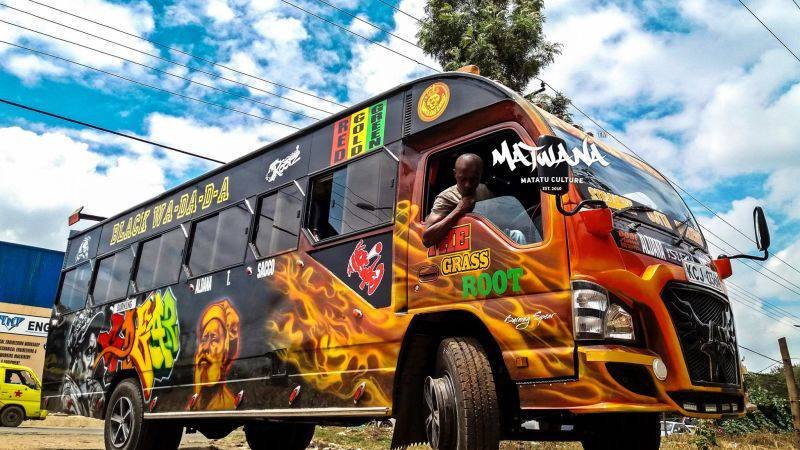
Traveling across East Africa requires balancing time, cost, and comfort.
Budget travelers usually rely on matatus (shared minibuses), public buses, and overland safari trucks. These options are cost-effective but slower, with multiple stops and less predictable schedules.
For example, a drive from Nairobi to Arusha can take 6–8 hours, depending on border conditions. Overland safari trucks are popular for long-distance group travel, offering basic seating, luggage racks, and sometimes shared meals on multi-day trips.
Luxury travelers often choose chartered flights, private 4x4s, and executive vans. These vehicles offer air conditioning, comfortable seating, and flexibility to adjust departure times.
A 45-minute charter flight can replace a full day’s drive, while private 4x4s allow off-road access and direct transfers between lodges and parks. This saves time, reduces fatigue, and allows travelers to optimize their game drives, sightseeing, or leisure time.
Dining: Functional vs Curated
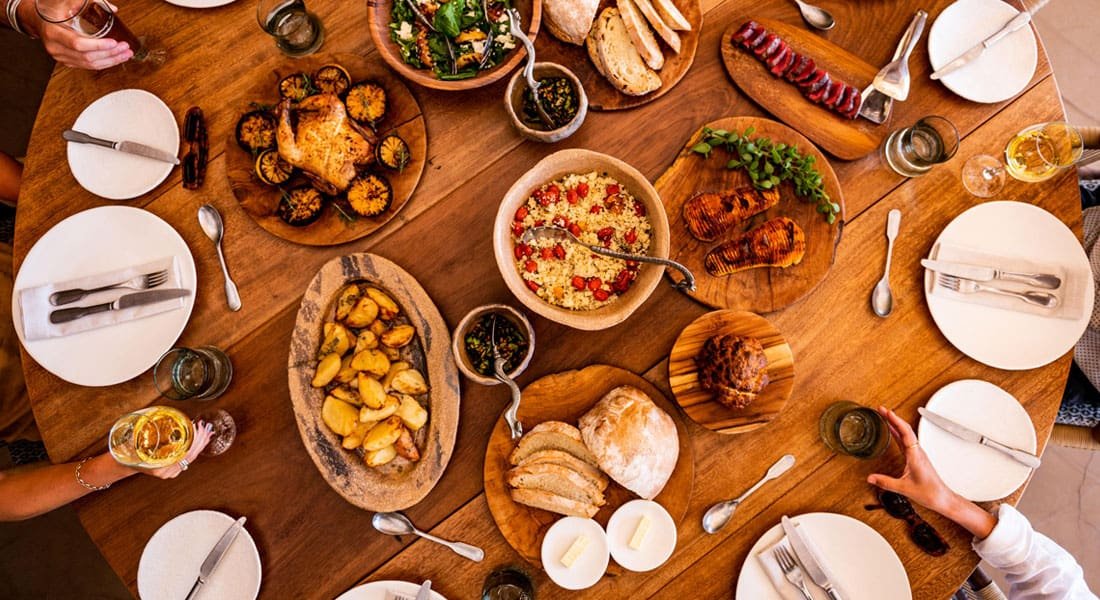
Food is one of the clearest ways to experience the difference between budget and luxury travel in East Africa, not just in cost, but in comfort, ambiance, and storytelling.
Budget Dining: Functional & Affordable
Budget travelers often eat at street stalls, local eateries (“kibandas”), and casual cafés, where meals are filling, authentic, and very affordable:
- Street food: Roasted corn, samosas, mandazi, and grilled meat skewers (mishkaki) cost ~20–100 KES ($0.15–$1 USD). These quick meals are ideal for travelers on the move.
- Local eateries: A plate of ugali with sukuma wiki and a stew costs ~200–500 KES ($2–$5 USD), offering a hearty, traditional Kenyan meal.
- Mid-range restaurants: In urban centers like Nairobi or Mombasa, meals at casual restaurants range ~1,000 to 3,000 KES ($10–$30 USD) per person, often including a main course, a side, and a non-alcoholic drink.
Budget dining focuses on authentic flavors and keeps costs low, perfect for long travel days or multiple safaris without blowing your food budget.
Luxury Dining: Curated & Memorable
Luxury dining in East Africa transforms meals into experiences: multi-course menus, curated wine pairings, and exceptional settings.
- Fine-dining & resort restaurants: Multi-course meals can start at 5,000 KES (~$50 USD) per person and rise to 10,000 KES (~$100 USD) with wine or cocktails.
- Private or themed dinners: At luxury safari lodges or Zanzibar resorts, bush dinners, beachfront setups, or farm-to-table experiences immerse you in the setting and story.
- Upscale urban dining: Nairobi and Mombasa host fine-dining restaurants with international and gourmet cuisine, often in high-end hotels or exclusive districts.
Luxury dining emphasizes experience over sustenance, from presentation to atmosphere, and each meal becomes part of the trip’s memory.
Quick Price Snapshot (Per Person)
| Dining Style | Typical Cost (KES / USD) |
| Street food | 20–100 KES (~$0.15–$1) |
| Local eateries / kibandas | 200–500 KES (~$2–$5) |
| Mid-range restaurant | 1,000–3,000 KES (~$10–$30) |
| Fine dining/luxury resorts | 5,000–10,000+ KES (~$50–$100+) |
Budget dining offers affordability and local flavor, while luxury dining elevates meals into curated experiences perfect for special occasions or travelers seeking comfort and sophistication.
Conservation and Ethical Impact
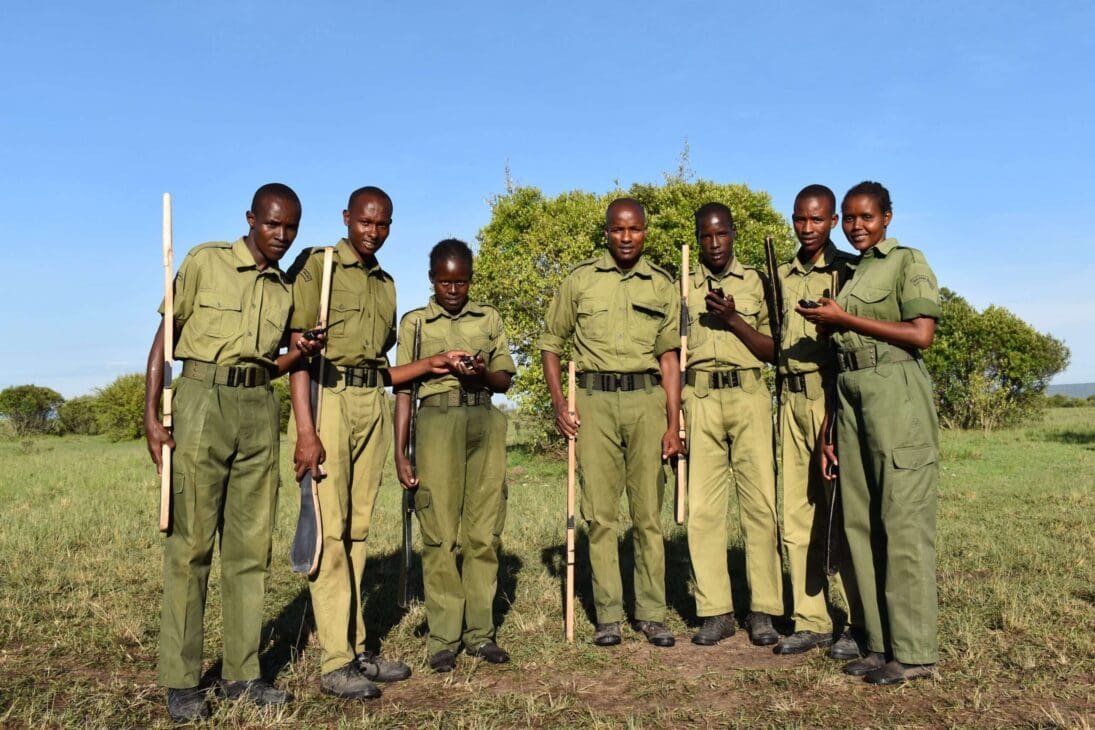
Luxury eco-camps in East Africa, especially around Kenya’s Masai Mara, do more than offer high-end safari experiences; they actively support wildlife conservation and local communities.
- Protected Land & Wildlife: 24 community-based conservancies cover 450,000 acres around the Masai Mara, safeguarding critical corridors for elephants, giraffes, and wild dogs.
- Community Benefits: Luxury camps pay Maasai landowners through leases of over $4.8 million per year, helping protect land from agriculture and supporting local families.
- Funding Conservation: High-end safari fees (often $1,200–$2,500 per night) finance anti-poaching patrols, ranger salaries, wildlife research, and community programs.
- Better Safari Experience: Private conservancies, like Naboisho, limit vehicles to one per 700 acres, reducing crowding and stress on animals. Guests enjoy walking safaris, night drives, and off-road tracking that aren’t allowed in main reserves.
Budget tourism also contributes. Park entrance fees help fund wildlife management and ranger programs, though the per-person impact is smaller because costs are spread across more visitors.
Takeaway: Luxury eco-camps provide higher per-person contributions to conservation and communities, while budget tourism supports wildlife protection at scale. Both are important—just in different ways.
Comfort vs Immersion: The Psychological Layer
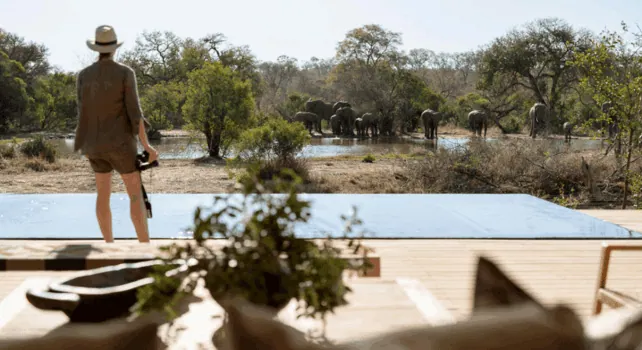
Travel is more than just moving from one destination to another. It’s about how you experience the world, how you connect with people, and how you feel at the end of the day. Travellyx highlights that some travelers thrive on authentic experiences, finding adventure in crowded buses, local markets, and small guesthouses. Others prioritize comfort and convenience, preferring private guides, curated cultural programs, and stress-free logistics.
Travelers Who Embrace Local Connections Often Enjoy:
- Social interaction: Sharing meals, conversations, and stories with locals and fellow travelers.
- Immersive cultural experiences: Navigating public transport, exploring markets, and participating in community life.
- Flexibility in time: Longer stays without worrying about high accommodation costs.
- Independence: Finding your own path, discovering hidden gems off the beaten track.
These experiences are spontaneous. They can be messy or challenging, but they often create deep, meaningful memories.
Travelers Who Value Comfort Often Seek:
- Privacy: Peaceful stays, exclusive tours, and quiet spaces.
- Seamless logistics: Private transportation, guided excursions, and pre-arranged schedules.
- Luxury and convenience: High-end accommodations, fine dining, and curated experiences.
- Safety and reassurance: Especially important for solo travelers or unfamiliar destinations.
These experiences are orchestrated. Everything is planned for maximum ease, letting travelers focus on enjoyment rather than problem-solving.
Seasonality: Why Timing Changes Everything
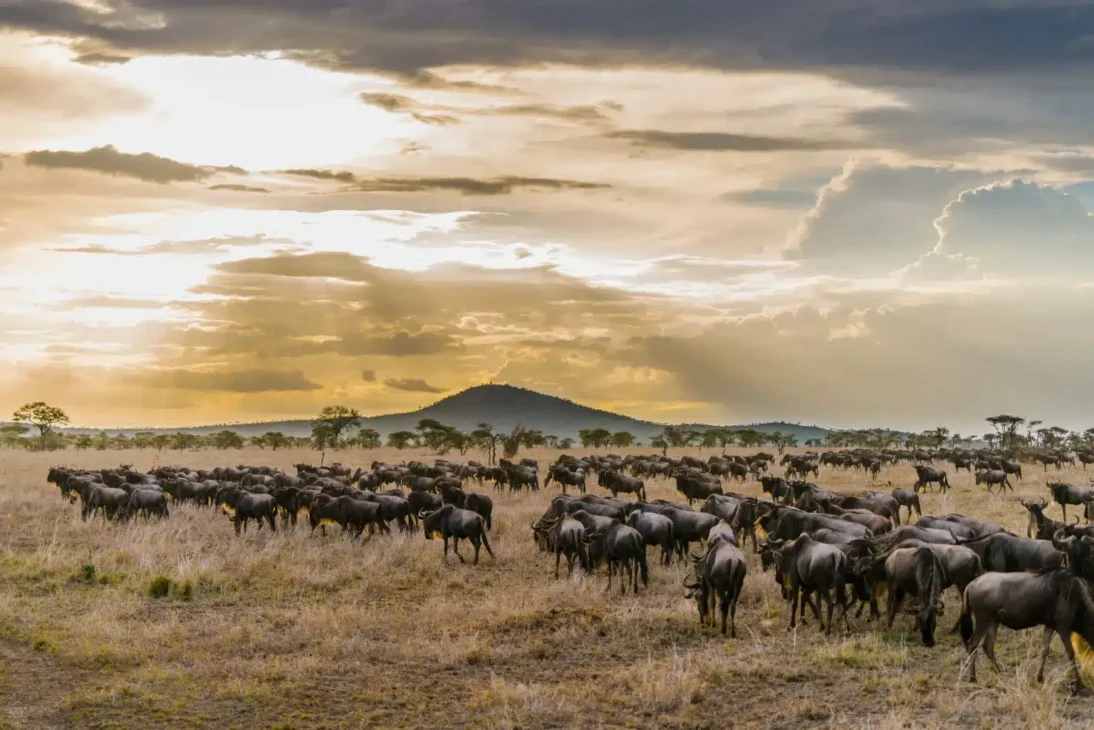
In East Africa, timing can make or break your safari experience. Peak wildlife viewing often coincides with dry months, June to October, and December to February, when animals gather around water sources and the Great Migration occurs. Expect higher prices and more crowds in Kenya’s Maasai Mara and Tanzania’s Serengeti during these months.
- Kenya: July–October for river crossings; January–March for calving season.
- Tanzania: June–October for game drives; January–March for newborn herds in Ndutu.
- Uganda & Rwanda: June–September and December–February are best for gorilla trekking and firm trails.
Wet or shoulder seasons bring lower prices, fewer visitors, and lush landscapes, but some roads can be slippery, and wildlife is more dispersed.
Who Should Choose Budget Travel?
Budget travel is about making the most of time, connections, and experiences. It suits travelers who want to explore deeply and embrace the journey rather than just reach destinations.
You might choose budget travel if you:
- Have flexible time: Lower daily costs let you stay longer, explore at your own pace, and savor the journey.
- Value social connections: Hostels, guesthouses, and shared transport naturally bring you into contact with locals and other travelers.
- Enjoy unpredictability: Navigating local transport, discovering hidden spots, and adapting plans on the go can make the trip more adventurous.
- Seek cultural immersion: Staying in local accommodations, eating street food, and using public transport offer authentic experiences that structured travel often misses.
This approach works well for digital nomads, gap-year travelers, and slow travelers. Time becomes an asset, letting you create richer experiences without spending a fortune.
Who Should Choose Luxury Travel?
Luxury travel is about maximizing comfort, efficiency, and peace of mind. It suits travelers who want their focus to be on the experience rather than the logistics.
You might choose luxury travel if you:
- Have limited vacation time: Every moment counts, and seamless arrangements let you make the most of your trip.
- Value privacy: Private accommodations, exclusive tours, and controlled environments create a personal retreat.
- Want stress-free logistics: Direct transfers, guided experiences, and concierge services remove planning burdens.
- Prioritize safety: Structured programs and vetted services offer confidence, especially in unfamiliar destinations.
This style works well for honeymooners, busy professionals, and anyone seeking a worry-free journey. Investing in convenience and comfort often justifies the higher cost.
Final Perspective: Budget vs Luxury Travel in East Africa
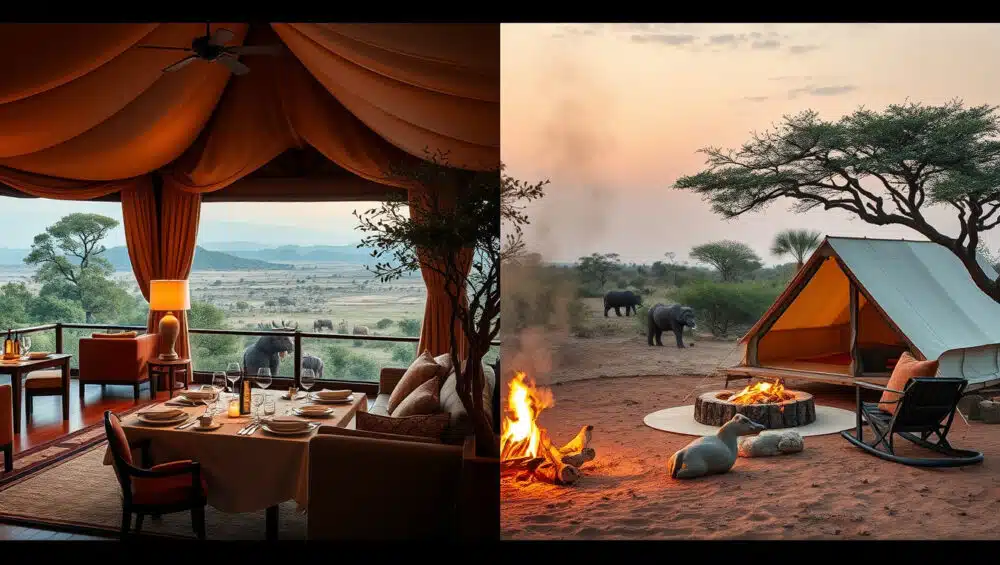
Marketing often dresses up travel extremes. Budget trips are labeled “authentic,” while luxury experiences are branded “exclusive.” These buzzwords sound appealing but tell you very little. Here’s the clearer reality:
- Budget travel increases exposure to local systems and communities.
- Luxury travel reduces friction and maximizes comfort.
- Both approaches contribute financially to conservation.
- Both let you witness East Africa’s iconic wildlife and landscapes.
If your goal is maximum wildlife encounters with minimal crowds, luxury conservancies give you structural advantages. If you want longer exploration across multiple countries without spending a fortune, budget travel offers unman atched range and flexibility.
The right choice ultimately comes down to your financial bandwidth, time availability, and comfort with unpredictability.
Final Tip: Consider a hybrid approach mix budget and luxury elements strategically. For example, a budget lodge in Nairobi paired with a luxury safari in the Serengeti gives you both immersion and indulgence, maximizing your overall experience without breaking the bank.
We want to hear from you! When you think about your next East Africa adventure, would you choose budget, luxury, or a hybrid approach? Share your thoughts in the comments below. Your insights might help fellow travelers plan their dream trip.
FAQs About Budget vs Luxury Travel Africa
1. Can I combine budget and luxury travel in one trip?
Yes! Many travelers choose a hybrid approach, staying in budget accommodations in cities or towns while splurging on a luxury safari or private beach resort. This balances cost with indulgence.
2. Does budget travel compromise safety in East Africa?
Not necessarily. Budget travelers can stay safe by choosing reputable guesthouses, traveling in groups, and following local advice. Planning and awareness are key, not just cost.
3. Are luxury safaris better for photography?
Luxury safaris often offer smaller groups, private guides, and flexible schedules, which can improve opportunities for wildlife photography. Budget safaris can also provide great shots but may have more vehicles around sightings.
4. How much should I tip on budget vs luxury trips?
Tipping depends on service level. On budget trips, small gestures to guides or drivers are appreciated. Luxury trips typically include staff tips as part of the budget, but additional gratuities for exceptional service are common.
5. Is it cheaper to travel East Africa independently or with a tour operator?
Independent travel can save money if you plan carefully, but tours, especially luxury safaris, often provide convenience, logistics, and access you might not get on your own. Budget tours can also offer cost-efficient ways to see multiple destinations.