The Ultimate Lake Victoria Travel Guide for First-Time Visitors


You’re planning your trip to East Africa. Safari is locked in. Serengeti. Maasai Mara. Maybe gorillas in Uganda. Then someone mentions Lake Victoria. You pause.
Isn’t that just… a big lake?
This Lake Victoria travel guide starts right there at that hesitation. Because most first-time visitors don’t know what to expect. The lake rarely makes the highlight reel. It doesn’t trend on Instagram the way the Great Migration does. It doesn’t market itself loudly.
But here’s the thing.
When you stand on its shoreline at sunrise, fishermen pushing wooden boats into silver water, birds cutting across pink skies, tilapia grilling over charcoal, the scale hits you. The quiet hits you.
And you realize you almost skipped it. Let’s fix that.
Where You’re Actually Going
Lake Victoria is the largest lake in Africa and the world’s second-largest freshwater lake. It spans Tanzania, Uganda, and Kenya, covering about 68,800 km². The lake is also the source of the White Nile and supports millions of people through fishing, agriculture, and transport.
On the Kenyan side, Kisumu sits along the shoreline, offering access to the lake and nearby islands like Rusinga. Other major cities along the lake include Mwanza (Tanzania) and Entebbe (Uganda), each serving as key entry points.
The lake is home to over 200 fish species, including the famous Nile perch, and features islands such as Ssese (Uganda) and Rubondo (Tanzania). Its waters are used for ferries, boat travel, and local livelihoods, connecting communities across three countries.
From Kisumu, you can see how Lake Victoria links urban centers, rural settlements, and natural landscapes into a shared ecosystem, a place where culture, economy, and daily life revolve around the water.
When Should You Visit?

Timing can change everything when planning a trip to Lake Victoria. The lake’s climate is tropical, so temperatures stay fairly steady year-round, but rainfall is what shapes your experience.
- Dry Season: June–September and January–February. Roads are easier to navigate, skies are clear, and lake activities like boat trips, fishing, and exploring local communities are most accessible.
- Rainy Season: March–May and October–December. Heavy rains transform the lake and wetlands into lush, green landscapes. Birdwatchers will find migratory species at their peak, but some rural roads can get muddy, and boat schedules may shift.
Understanding the seasons helps you decide how to experience the lake, whether you prefer sunny skies and smooth boat rides or dramatic rain, green scenery, and abundant wildlife.
What You Can Actually Do Here

Lake Victoria offers a blend of relaxation, adventure, and cultural experiences across Uganda, Kenya, and Tanzania. According to Kampala and Slum Tours, whether you’re drawn to its calm waters, vibrant wildlife, or lakeside communities, there’s something for every traveler.
- Scenic Boat Cruises – Drift across calm waters at sunset and watch fishing villages, hidden coves, and distant islands unfold along the shoreline.
- Fishing Expeditions – Join local guides at dawn to catch Nile perch or tilapia using techniques passed down through generations.
- Island Hopping – Explore the Ssese Islands or Rubondo for forest trails, quiet beaches, and a slower island rhythm.
- Birdwatching – Spot shoebills, kingfishers, and African fish eagles in papyrus wetlands that host over 350 bird species.
- Wildlife Encounters – Visit Ngamba Island or Rubondo Island National Park for chimpanzees, elephants, and other protected wildlife.
- Cultural Visits – Spend time in lakeside communities learning about fishing traditions, local crafts, and daily life on the water.
- Hiking and Nature Walks – Follow forest and hill trails for elevated lake views and peaceful immersion in nature.
- Water Activities – Kayak, paddleboard, or explore calm stretches of the lake where conditions are safe and guided.
- Lakeside Dining – Enjoy freshly grilled tilapia, cassava, and plantains served steps away from the water.
Lake Victoria isn’t just a destination, it’s a playground for adventure, culture, and relaxation. From tranquil cruises to thrilling wildlife encounters, every experience leaves a lasting impression and invites you to return.
What Life Around the Lake Feels Like
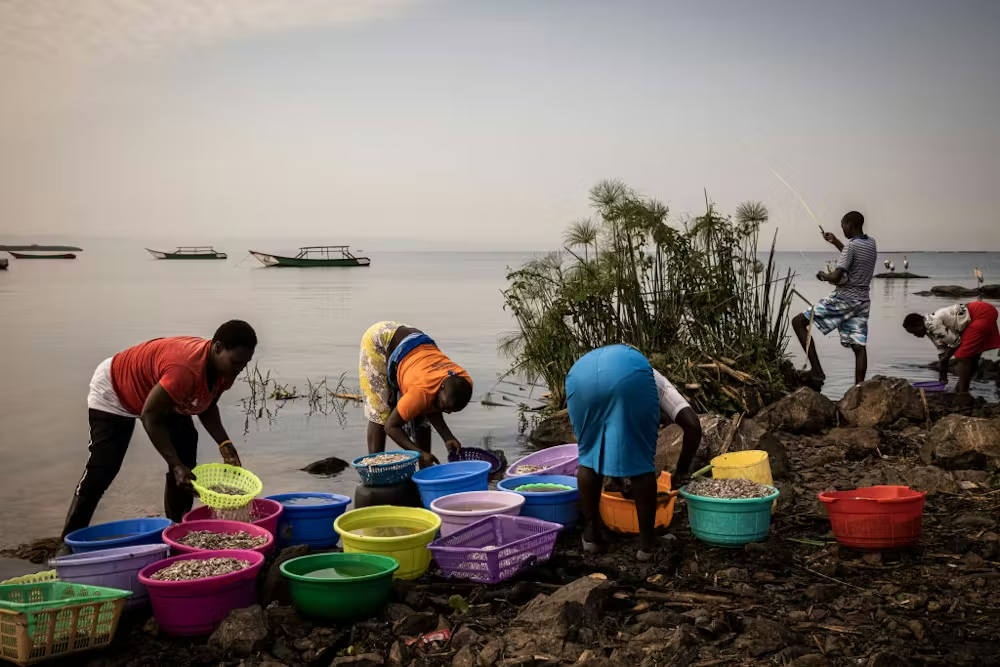
Life around Lake Victoria is shaped by its water and the communities that depend on it.
According to Eastern Fleet Safaris, fishing drives daily routines. Boats leave early, and markets fill with Nile perch, tilapia, and other catches. The lake provides food, income, and livelihoods for millions across Uganda, Kenya, and Tanzania.
The shores are alive with culture. Communities such as the Luo in Kenya and Uganda and the Baganda in Uganda maintain traditions tied to the lake. Music, dance, and storytelling mark everyday life, while crafts and fishing techniques are passed down through generations. Villages celebrate the lake through seasonal festivals and harvest ceremonies, where songs, dances, and communal rituals honor the water that sustains them.
The lake itself is a living ecosystem. Its wetlands, islands, and shores host diverse fish, birds, and plants. Human life here is deeply intertwined with nature, making every visit a glimpse into a community where culture, work, and the environment flow together.
Food You Should Try
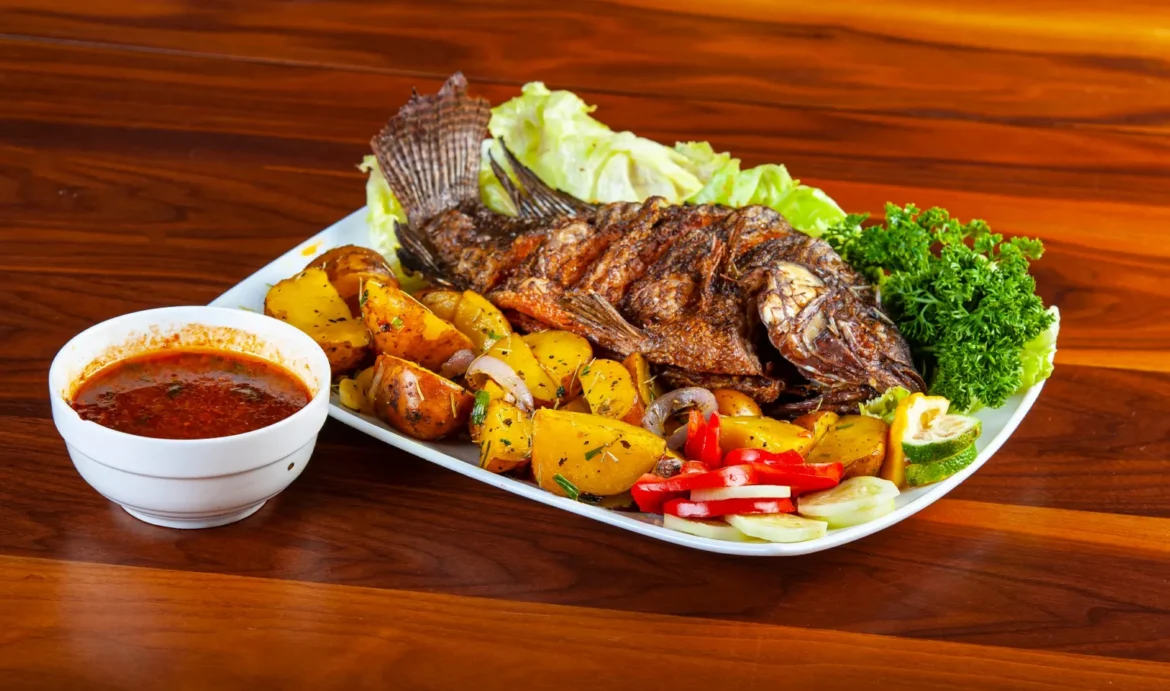
Lake Victoria isn’t just about scenic views; it’s also a hotspot for authentic East African flavors. The local cuisine reflects the rich cultures of the lakeside communities, using fresh ingredients from the land and lake. Here’s what to look for when you visit:
- Nile Perch and Tilapia – Freshly caught from the lake, these fish are often grilled whole or fried. Served simply with vegetables or posho (maize porridge), they showcase the lake’s bounty.
- Ugali / Posho – A staple in Kenya and Uganda, this stiff maize porridge accompanies most meals, pairing perfectly with fish, beans, or greens.
- Rolex – Not a watch! This street food favorite is a chapati wrapped around an omelet with vegetables, quick, flavorful, and a local breakfast staple.
- Luwombo – A royal Baganda dish where meat or chicken is steamed in banana leaves with groundnut sauce, slow-cooked for smoky, rich flavor.
- Matooke – Steamed green bananas mashed and served with groundnut sauce or stew, a comforting staple of the Buganda region.
- Groundnut Sauce – Made from roasted peanuts, creamy and protein-packed, often served with matooke or posho.
- Nsenene (Grasshoppers) – A seasonal delicacy in Uganda, fried and crunchy, enjoyed during the rainy months as a snack or appetizer.
Visiting the lake isn’t just a feast for the eyes; it’s a feast for the taste buds. Every meal tells a story of local tradition, seasonal produce, and the communities that rely on the lake for their livelihoods.
Getting There and Moving Around

Lake Victoria spans Uganda, Kenya, and Tanzania, and getting around the lake can be part of the adventure. Whether you arrive by air, road, or ferry, planning ahead helps you make the most of your journey.
By Air:
- Kenya: Nairobi → Kisumu (~1 hour)
- Uganda: Entebbe → Ssese Islands or northern lake regions
- Tanzania: Mwanza → domestic connections from Dar es Salaam and other cities
By Road:
- Roads to the lake are often dirt or grave 4×4 vehicles are recommended.
- Transfers between major towns take 4-8 hours, depending on conditions.
By Ferry:
- Around 40 ferries operate daily across Kenya, Uganda, and Tanzania. Some carry cars; others are passenger-only.
- Kenya: Kisumu → Rusinga & Mfangano Islands (1–2 hrs)
- Uganda: Entebbe → Ssese Islands (1–2 hrs), plus shorter crossings to Nakiwogo near Kampala
- Tanzania: Mwanza → Rubondo Island (2–3 hrs), Saanane Island, or Bukoba
Cross-Border Connections:
- Kisumu ↔ Port Bell (Kenya ↔ Uganda) – 6–8 hrs
- Kisumu ↔ Mwanza (Kenya ↔ Tanzania) – 4–5 hrs
- Mwanza ↔ Entebbe (Tanzania ↔ Uganda) – 4–6 hrs
Local Transport:
- Boda-bodas and taxis cover short distances.
- Private boats connect islands and lakeside communities.
Tip: Ferry schedules can change with the weather; always check ahead.
Traveling around Lake Victoria is as much about the journey as the destination. Each crossing offers views of the lake’s vast waters, bustling harbors, and lakeside communities, giving you a real sense of life along Africa’s largest freshwater lake.
Safety and Health Tips

Visiting Lake Victoria is an incredible experience, but staying safe and aware ensures your trip is smooth and enjoyable. Keep these tips in mind while exploring the lake and its surroundings:
- Terrorism & Political Risks: Avoid protests, large gatherings, and political events, as unrest can occur unexpectedly.
- Crime & Personal Safety: Keep valuables secure, avoid walking alone at night, and use trusted transport, including taxis and boats.
- Health & Food: Use mosquito repellent, consider malaria prophylaxis, and drink only bottled or filtered water.
- Road Safety: Drive cautiously, avoid night travel, and use reputable buses for longer journeys.
- Boat Safety: Check life jackets, avoid overcrowded ferries, and know emergency procedures before boarding.
- Natural Hazards: Floods occur during rainy seasons, and hippos or crocodiles make swimming risky.
- Local Laws & Customs: Carry ID, avoid military-style clothing, and always ask before taking photos; same-sex activity is illegal.
By following these precautions, you can enjoy Lake Victoria’s beauty while staying safe and respecting local customs.
Where to Stay
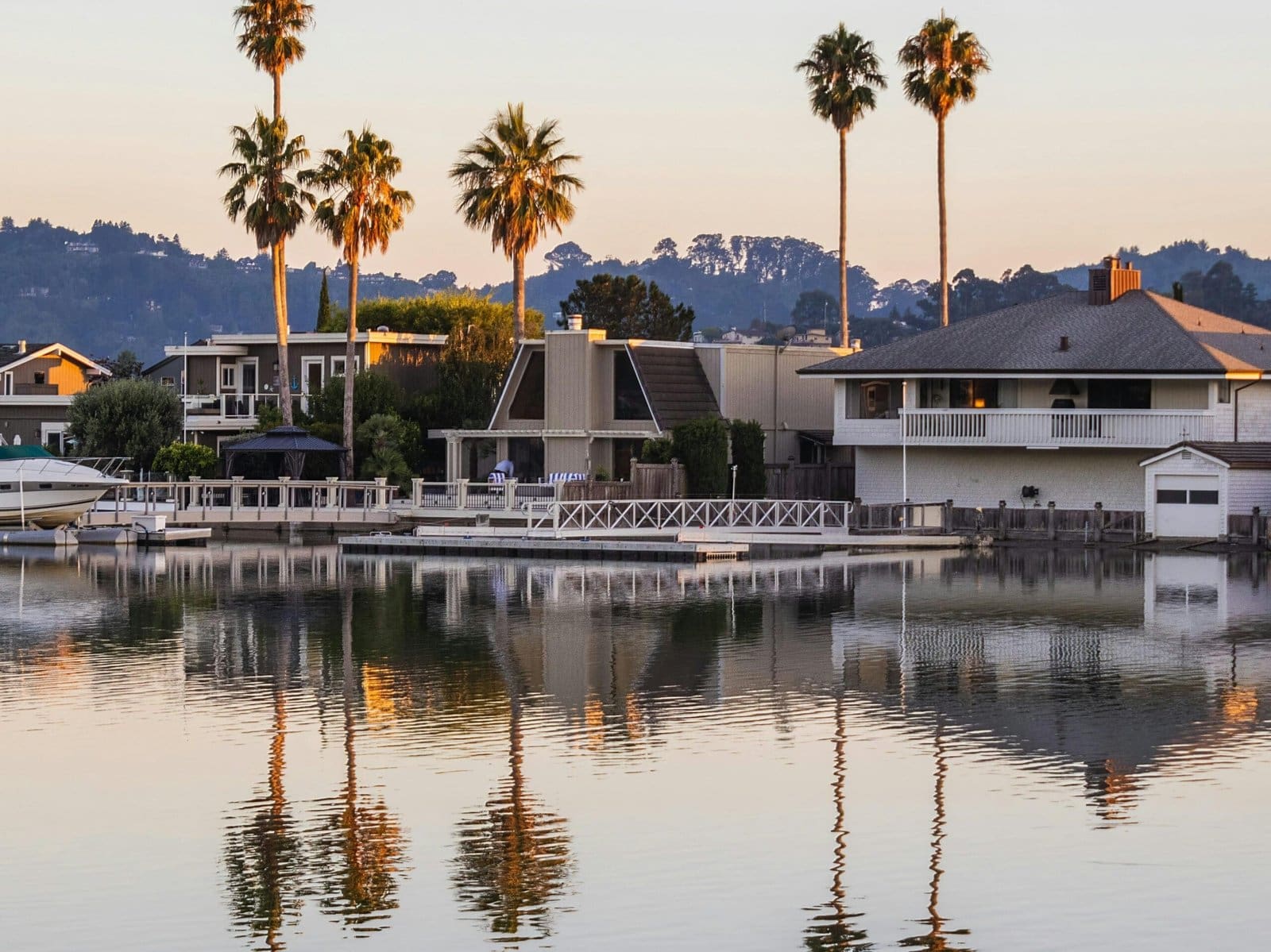
Lake Victoria offers options of accommodations for all budgets, from luxury resorts to simple guesthouses. Choose based on comfort, views, and proximity to activities.
| Category | Hotel | Highlights | Price (approx.) |
| Luxury | Lake Victoria Serena Golf Resort & Spa | Lakefront, spa, golf, marina, fine dining | $250–$400/night |
| Protea Hotel by Marriott Entebbe | Infinity pool, lake views, spa, restaurants | $200–$350/night | |
| Hotel No. 5 | Boutique, gardens, partial lake views | $180–$300/night | |
| Mid-Range | 2 Friends Beach Hotel | Beachfront, lake balconies, casual dining | $90–$140/night |
| Boma Hotel Entebbe | Colonial charm, lake views, cultural evenings | $100–$160/night | |
| Imperial Botanical Beach Hotel | Near gardens, partial lake views, private beach | $80–$130/night | |
| Budget | ViaVia Entebbe | Lakeside dorms & privates, cultural workshops | $40–$70/night |
| Sunset Entebbe | Rooftop lake views, social spaces | $35–$60/night | |
| Gorilla African Guest House | Simple, comfortable, near airport | $30–$50/night |
Tip: Luxury for relaxation, mid-range for comfort + local vibe, budget for adventure and affordability. Most are 10–20 min from Entebbe Airport and offer lake activities.
How Many Days Do You Need?

Lake Victoria is vast and often overlooked, so you’ll want enough time to truly experience its water, culture, and surrounding towns. Travelers often choose how long to stay based on what else is on their East Africa route:
- 2 Days: A short visit in Entebbe or Kisumu, with a boat cruise and lakeside exploration, perfect as a break at the start or end of a safari.
- 3 Days: Add a full day for nearby activities, consider lakeside markets, birdwatching, or a town visit. In Mwanza, this lets you explore islands and culture with more depth.
- 4–5 Days: Include an island stay (like on the Ssese Islands or Rusinga/Mfangano), where you can relax on beaches and explore lagoon paths without rushing.
- 6+ Days: Combine multiple regions, Uganda, Kenya, and Tanzania, linking lake cruising with nature tours, fishing excursions, and deeper immersion into local life.
Lake Victoria isn’t a quick stop; it’s a region of shifting waters, islands, and communities. More days let you slow down, absorb the scenery, and connect with local rhythms rather than just passing through.
A Sample 4-Day First-Time Itinerary

This suggested route draws on experiences from a road trip around Lake Victoria, blending lakeside relaxation with cultural and riverine exploration.
- Day 1: Arrive in Kisumu – Check in, walk along the waterfront, and enjoy grilled fish with sunset views over Lake Victoria.
- Day 2: Jinja and the Nile – Travel to Jinja, Uganda, and spend time at the Nile’s source with a boat ride or light river activity.
- Day 3: Wetlands and Local Life – Explore papyrus wetlands, browse markets, and observe daily routines in lakeside fishing communities.
- Day 4: Island Escape – Take a ferry to Ssese, Rusinga, or Mfangano Island for beach time and relaxed village walks before moving on.
This 4‑day plan balances land and water experiences, letting you arrive, immerse, explore, and reflect without rushing. You can adapt the rhythm if you prefer deeper cultural immersion, more island time, or birdwatching stretches.
Who Will Love Lake Victoria?

Lake Victoria is a place to slow down and take in life by the water. Its charm lies in the rhythms of lakeside communities, the quiet ferry rides between islands, and the vibrant ecosystems that thrive along its shores. Visitors who appreciate culture, nature, and meaningful encounters will find themselves drawn into the daily life of the lake in ways a traditional safari can’t show.
- Value culture over luxury – authentic lakeside communities and traditions take center stage.
- Enjoy water without crowded resorts – calm ferries, fishing villages, and riverside walks replace typical tourist hubs.
- Connect with locals – market visits, craft workshops, and casual conversations bring the lake to life.
- Explore ecosystems – birds, fish, wetlands, and island habitats offer endless discovery.
It may not suit travelers focused solely on Big Five safaris or tight itineraries. But here’s why it’s worth considering:
While a safari shows wildlife, Lake Victoria reveals how people live beside water that has shaped trade, migration, and daily survival for centuries. Geography shapes culture. Water drives economies. Slowing down here reveals more than landmarks it offers perspective on life flowing with the lake.
The Bigger Picture: Why This Lake Victoria Travel Guide Matters

Lake Victoria isn’t just a body of water; it feeds the Nile, a river that shaped civilizations for millennia. Standing on its shores at dusk, you can watch fishing lanterns flicker across the dark water and hear laughter drifting over the waves. It’s a moment that gives you perspective on the lake and the communities that depend on it.
This Lake Victoria travel guide encourages slowing down to experience the lake fully. Treat it as its own chapter in your journey, not a brief stopover. Take a ferry to the Ssese Islands or enjoy a morning along Entebbe’s lakeside; even a few hours reveal rhythms and views unique to the region.
Lake Victoria teaches patience, curiosity, and connection. Are you ready to see the lake with fresh eyes?
Join the conversation! Share your experiences, tips, or dream plans for visiting Lake Victoria in the comments below.
FAQs About Lake Victoria Travel Guide
1. What’s the best way to see the lake at sunrise or sunset?
Early morning or late afternoon boat rides offer the most stunning views. Local fishermen’s lanterns add a magical touch at dusk, and quiet waters make for ideal photography.
2. Are there any unusual wildlife experiences on the lake?
Yes, beyond birds, you can spot hippos, monitor lizards, and occasionally crocodiles near the shores. Some guided boat trips include night safaris for hippo spotting.
3. Can you cycle around parts of Lake Victoria?
Certain stretches near Kisumu, Jinja, and Entebbe have bike-friendly paths along the lakeshore. Bicycle rentals are available locally, and cycling is a scenic way to explore fishing villages and markets.
4. Are there cultural tours on the islands?
Yes. Islands like Ssese and Rubondo have small communities offering cultural visits, including traditional fishing, craft-making, and storytelling about the lake’s role in local history.
5. What’s the best time of year to experience local festivals?
Cultural events often peak during harvest seasons, usually around August–September and December–January. Traditional music, dance, and crafts showcase the lake’s heritage during these festivals.


