Uganda Luxury Travel: A New Wellness Destination


Some traveler planning a luxury escape in Africa wants quiet, not crowds. Space, not spectacle. A place that feels restorative rather than performative. They’re not looking for a checklist trip; they want a destination that slows the nervous system down. This post explores how Uganda blends immersive wellness, adventure, and eco-conscious experiences to create a journey that restores both body and mind.
That shift in travel priorities is exactly why Uganda luxury travel is entering a new global conversation. For decades, Uganda has been framed through a narrow lens: gorilla trekking, safari circuits, adventure tourism. But a different travel identity is forming alongside those experiences, one shaped by wellness, privacy, ecological immersion, and a more intentional kind of luxury.
Uganda is not trying to replicate the luxury models of other destinations. Instead, it is emerging as something quieter and more aligned with where high-end travel is heading next: wellness travel rooted in nature, cultural depth, and slow time. This is why Uganda is increasingly being viewed as a serious contender in the evolving world of luxury and wellness tourism.
The Luxury Travel Industry Is Being Redefined

Luxury travel has shifted from visible extravagance, grand hotels, formal service, and high-gloss experiences to something deeper. Modern high-end travelers increasingly prioritize privacy, restoration, nature immersion, and personalized wellness.
The global wellness tourism market illustrates this change. Valued at $954 billion in 2024, it is projected to reach $1.68 trillion by 2030, growing at nearly 10% annually. Travelers now favor nature-based eco-wellness, authentic experiences, and personalization over standard spa or resort offerings. Major hospitality brands, including Accor, Hilton, Hyatt, and Marriott, are innovating to meet this demand.
This shift is shaping destinations worldwide, and it sets the stage for Uganda wellness travel, which leverages the country’s biodiversity, low-density environments, and naturally restorative landscapes.
Why Uganda Fits the Wellness Luxury Model
Uganda’s wellness-luxury appeal is grounded in ecology and conservation rather than constructed experience. The country is among Africa’s most biodiversity-rich destinations, home to over half of the world’s mountain gorillas and supported by a protected-area network that includes 10 national parks, 12 wildlife reserves, and five community wildlife areas, covering more than 10% of its land.
Landscapes such as Bwindi, Queen Elizabeth, Murchison Falls, and Kibale National Parks shape travel through immersion rather than spectacle. Forests soften sound and temperature, water systems slow movement, and biodiversity creates naturally restorative environments. These protected ecosystems also sustain a nature-based tourism sector that contributes 7.7% to Uganda’s GDP and supports over 667,000 jobs, reinforcing conservation-led, low-density travel.
Because the landscape itself sets the pace, Uganda aligns organically with slow wellness travel where restoration comes from place, not programming.
Slow Travel Is Becoming the New Luxury Currency

One of the clearest shifts in modern luxury tourism is the move away from speed and toward intentional slowness. High-end travelers are no longer impressed by packed itineraries or constant motion. Increasingly, excess movement is read as fatigue, not privilege.
According to InsightTrendsWorld’s analysis on the rise of slow luxury travel, contemporary luxury is being redefined by presence, stillness, and emotional depth. Travelers are choosing fewer destinations, longer stays, and deeper engagement, valuing serenity and sensory awareness over accumulation. Time itself has become the primary marker of status.
This shift reflects a broader cultural shift away from overstimulation. Slow luxury travel reframes indulgence as restoration travel as a way to recover focus, recalibrate pace, and reconnect with place rather than escape from it. In this context, luxury becomes psychological rather than performative.
Uganda naturally supports this model. The country is not built around mass tourism density, and many of its most valuable environments remain remote, protected, and low-traffic. Compared to heavily commercialized safari circuits elsewhere, Uganda offers quieter mornings, unhurried movement, and a genuine sense of distance from global noise.
Here, slowness is not designed into the itinerary; the landscape itself shapes it. That alignment makes Uganda especially relevant to the emerging slow luxury traveler, for whom calm, space, and presence now define true affluence.
Uganda’s Wellness Appeal Goes Beyond Spa Culture

Wellness travel today goes far beyond massages and yoga; it includes mental restoration, ecological calm, cultural grounding, and physical reset. In Uganda, this broader definition of wellness is supported by environments and community practices that are deeply rooted in place rather than built for consumption.
Forest-Based Restoration
Uganda’s forests offer ecological immersion that aligns with wellness principles. Bwindi Impenetrable National Park, one of East Africa’s richest rainforests, hosts a dense range of species across multiple ecological layers, including endemic plants, birds, and mammals, all thriving in a complex, ancient ecosystem.
This kind of biodiverse forest naturally supports sensory calm, cooler microclimates, and noise reduction, which are associated with psychological restoration.
Water Landscapes and Tranquil Geography
Uganda’s wellness appeal is also shaped by water. Over 13% of the country is covered by wetlands, including lakes, swamps, and floodplains spread across the Nile Basin and major lake systems like Victoria, Kyoga, Albert, and George. These environments naturally slow movement, reduce sensory noise, and encourage reflection.
For wellness travelers, Uganda’s wetlands and waterways function less as attractions and more as restorative spaces where stillness is built into the landscape itself.
Cultural Wellness and Community Context
Wellness in Uganda also involves cultural grounding. Community-led ecotourism initiatives are active in regions like Bigodi Wetland Sanctuary and around Bwindi, where local guides and cultural experiences help visitors connect with the landscape and heritage while supporting community conservation projects. These activities frame wellness as shared presence rather than packaged service.
In Uganda, wellness travel emerges from environmental immersion and cultural interaction, not from a checklist of spa treatments. That makes its appeal distinct within the wider Africa wellness retreats conversation.
Uganda’s Place in East Africa’s Luxury Travel Landscape

According to the Kitara Foundation for Sustainable Tourism (2025), East Africa is a global tourism hub, dominated by Kenya and Tanzania for luxury safaris. Uganda, however, is carving a niche through distinctive, wellness- and eco-focused luxury experiences rather than volume-driven tourism.
- Distinctive over volume: Uganda’s luxury appeal comes from unique, low-density experiences instead of heavily trafficked safari routes.
- Rainforest and primate focus: Key experiences include gorilla and chimpanzee trekking in Bwindi and Mgahinga National Parks, offering immersive rainforest encounters.
- Eco-conscious exclusivity: Protected forests, wetlands, lakes, and rivers create environments that naturally support slow, wellness-focused travel.
- Community engagement: Community-based tourism (CBT), such as Batwa cultural experiences and Bigodi Wetland tours, allows visitors to connect with local culture while supporting conservation and livelihoods.
- Wellness-forward differentiation: The combination of environmental immersion, cultural grounding, and high-value wildlife encounters distinguishes Uganda from its East African neighbors.
By leveraging its unique landscapes, primate encounters, and community-led initiatives, Uganda is emerging as a wellness- and nature-focused luxury destination in the region.
Luxury in Uganda Is Closely Linked to Conservation

High-end travel in Uganda is inseparable from conservation. Luxury experiences often intersect with protected areas, wildlife preservation, and community partnerships, creating a model where comfort and purpose coexist.
Key Conservation Connections:
- Protected Areas: Uganda has 10 national parks generating tourism revenue that directly funds conservation efforts.
- Revenue Impact:
- Bwindi Impenetrable NP (gorilla trekking) – $45.2M (34% of total revenue)
- Queen Elizabeth NP (wildlife safari) – $28.5M
- Murchison Falls NP – $22.8M
- Kibale NP (chimpanzee tracking) – $15.2M
- Community Benefits: 35% of tourism revenue goes to local employment, 25% directly to communities, 20% local procurement, 12% infrastructure, and 8% education programs.
- Wildlife Success: Mountain gorilla populations rose from 459 (2020) → 500 (2024, +8.9%), elephants +4%, lions +8.8%, rhinos +27.3%.
- Sustainability Measures: Renewable energy (65% of facilities), carbon offsets, plastic-free zones, and eco-certification programs.
Luxury tourism here funds anti-poaching units, habitat restoration, research, and education, making Uganda a model of “organic” luxury that benefits both wildlife and communities.
Why Wellness Travelers Are Paying Attention Now

Global wellness travel is on the rise as visitors seek experiences that counter burnout, digital overstimulation, and post-pandemic fatigue. Uganda is emerging as a standout destination because its wellness offerings are environmental, cultural, and immersive, rather than commercialized spa packages.
Key draws include:
- Forest and water immersion: Bwindi Impenetrable Forest, crater lakes, and wetlands provide sensory calm, cooler microclimates, and quiet spaces for reflection.
- Community-led experiences: Visitors can participate in guided cultural walks, agro-tourism activities, and conservation volunteering, creating deeper connections with local life.
- Low-density travel: Uganda’s remote national parks and eco-lodges reduce crowds, letting travelers move at their own pace and reconnect with nature.
- Eco-conscious adventures: From gorilla and chimpanzee trekking to birdwatching and river safaris, experiences are designed to support conservation while nurturing personal restoration.
These attributes make Uganda particularly appealing for wellness travelers who value presence, authenticity, and psychological rejuvenation over traditional luxury indulgences.
Top Uganda Ecotourism Experiences: Adventure Meets Wellness

Uganda, the “Pearl of Africa,” is more than a wildlife haven; it’s a destination where nature, adventure, and wellness converge. From misty rainforests to tranquil wetlands, Uganda offers travelers immersive experiences that restore the mind and body while actively supporting conservation and local communities. These eco-conscious adventures make every trip meaningful, whether you’re trekking through primeval forests, gliding along serene waterways, or staying in lodges designed for sustainability.
- Gorilla Trekking in Bwindi Impenetrable Forest: See mountain gorillas in their natural habitat. Trekking fees fund conservation and support local guides and porters, creating a sustainable cycle.
- Chimpanzee Tracking in Kibale Forest: Follow expert trackers through lush jungle trails to encounter chimpanzees, while contributing to biodiversity monitoring and community education programs.
- Community-Based Tourism at Bigodi Wetlands: Birdwatch, explore villages, and learn local traditions in this community-managed sanctuary, where tourism directly benefits conservation and livelihoods.
- Sustainable Boat Safaris on Kazinga Channel: Glide past hippos, elephants, and hundreds of birds on eco-friendly tours, linking wildlife viewing with habitat protection and local community support.
- Eco-Lodges and Green Stays: Stay in lodges like Buhoma or Kyaninga, which combine comfort with sustainability, solar power, rainwater harvesting, local sourcing, and support for conservation initiatives.
Uganda proves that adventure, wellness, and responsible travel can go hand in hand, making it a top destination for mindful explorers.
Best Time to Visit Uganda for Wellness and Safaris

Timing your visit can make a big difference in how restorative and enjoyable your Uganda experience is. The country’s weather and seasonal rhythms affect wildlife sightings, trail conditions, and the overall pace of travel.
Dry Seasons (June–August & December–February)
- Ideal for wildlife spotting: Animals gather near water sources, making them easier to see in parks like Queen Elizabeth, Murchison Falls, and Lake Mburo.
- Gorilla trekking made easier: Trails in Bwindi and Mgahinga are less muddy and more manageable.
- Comfortable travel conditions: Roads and paths are more accessible, allowing smoother travel to eco-lodges and wellness retreats.
- Quiet yet active experiences: While these months are busier with tourists, careful planning ensures low-density, immersive travel.
Wet Seasons (March–May & October–November)
- Lush landscapes: Rainfall transforms forests, wetlands, and mountains into vibrant, green environments.
- Unique wildlife moments: Fewer tourists and newborn animals create intimate encounters with nature.
- Caution on trails: Hiking and safari roads may be muddy, so proper footwear and flexible planning are essential.
Birdwatching Highlights
- Best months: November–April
- Migratory and native birds thrive in wetlands and forests, including rare species like the Shoebill Stork in Mabamba Swamp or the African Green Broadbill in Bwindi.
Tip: For a slow, wellness-focused journey, visiting during the dry season balances wildlife viewing, comfortable trekking, and restorative experiences. The wet season offers lush scenery and solitude for travelers seeking a quiet, reflective escape.
The Future of Uganda Luxury Travel and Wellness
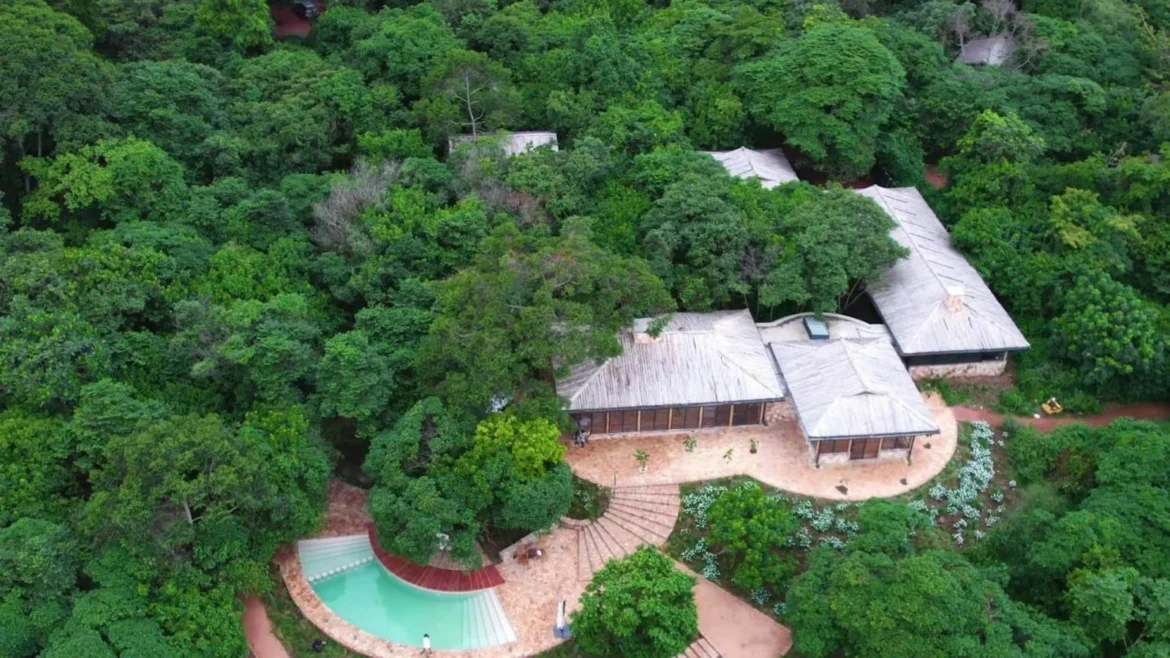
Uganda is on the verge of redefining luxury travel in Africa, blending adventure, wellness, and conservation in ways that feel authentic and deeply connected to place. The next phase of growth will likely be driven by:
- Intentional eco-development: Private lodges and wellness retreats designed with sustainability at their core.
- Global visibility: Increased marketing and international recognition of Uganda as a high-value, low-density destination.
- Nature-based wellness spaces: Exclusive retreats that immerse travelers in forests, wetlands, and pristine landscapes.
- Community-led tourism frameworks: Experiences that empower local communities while offering meaningful cultural engagement.
Luxury in Uganda is no longer just about adventure; it’s about stillness, biodiversity, and depth. Wellness travelers are increasingly seeking these qualities, and Uganda’s combination of ecological richness and cultural grounding positions it as a rising global wellness destination.
What do you think about Uganda’s approach to luxury and wellness travel? Have you visited or would you like to? Share your thoughts in the comments below and join the conversation about this emerging African travel gem!
FAQs About Uganda Luxury & Wellness Travel
1. Do I need special permits for gorilla or chimpanzee trekking?
Yes. Gorilla trekking in Bwindi and Mgahinga requires a permit, which should be booked well in advance due to limited availability. Chimpanzee trekking in Kibale also requires a permit, though it is easier to secure. Permits contribute directly to conservation and community programs.
2. Can wellness activities be combined with safaris in Uganda?
Absolutely. Many lodges and eco-resorts integrate gentle hiking, yoga, meditation spaces, and spa treatments alongside traditional safari and primate experiences, allowing travelers to balance adventure with restoration.
3. Is Uganda safe for solo wellness travelers?
Yes. Uganda is considered safe for solo travelers, especially in national parks, eco-lodges, and guided tours. It’s recommended to use registered guides, follow park rules, and practice standard travel precautions.
4. What level of fitness do I need for wellness and adventure activities?
Most activities are accessible to moderately fit travelers. Gorilla trekking can be strenuous, requiring uphill hikes, while chimpanzee tracking and forest walks are more moderate. Many lodges also offer gentler options like lakeside kayaking, birdwatching, or guided mindfulness walks.
5. How eco-friendly are Uganda’s luxury accommodations?
Many lodges use solar energy, rainwater harvesting, sustainable waste practices, and locally sourced food. Staff are often trained in conservation, and accommodations are designed to minimize environmental impact while offering comfort.


